The Complete Guide to Drain Relining vs Replacement
Aquaspeed
Making the Right Choice for Your Damaged Drains
When your drains are damaged, you face a critical decision: reline or replace? Both options can solve drainage problems, but the right choice depends on the type of damage, pipe condition, and your budget. This comprehensive guide will help you understand both methods and make an informed decision.
Understanding Your Options
What is Drain Relining?
Drain relining, also known as CIPP (Cured-In-Place Pipe) lining, involves inserting a flexible resin-coated liner into your existing damaged pipe. The liner is then inflated and cured (hardened), creating a new pipe within the old one.
What is Drain Replacement?
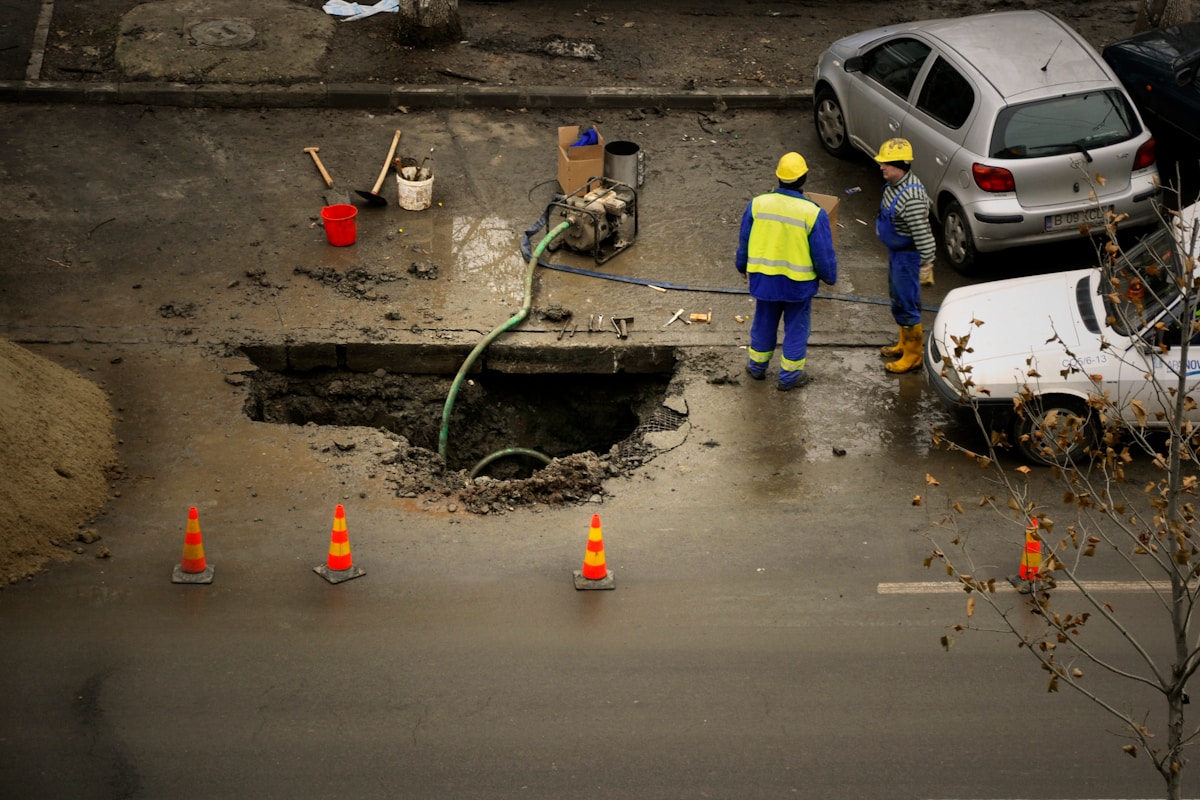
Drain replacement involves excavating the ground, removing the damaged pipe entirely, and installing new pipework. This traditional method has been used for decades and remains the only option for certain types of damage.
Drain Relining: The Modern Solution
How Relining Works
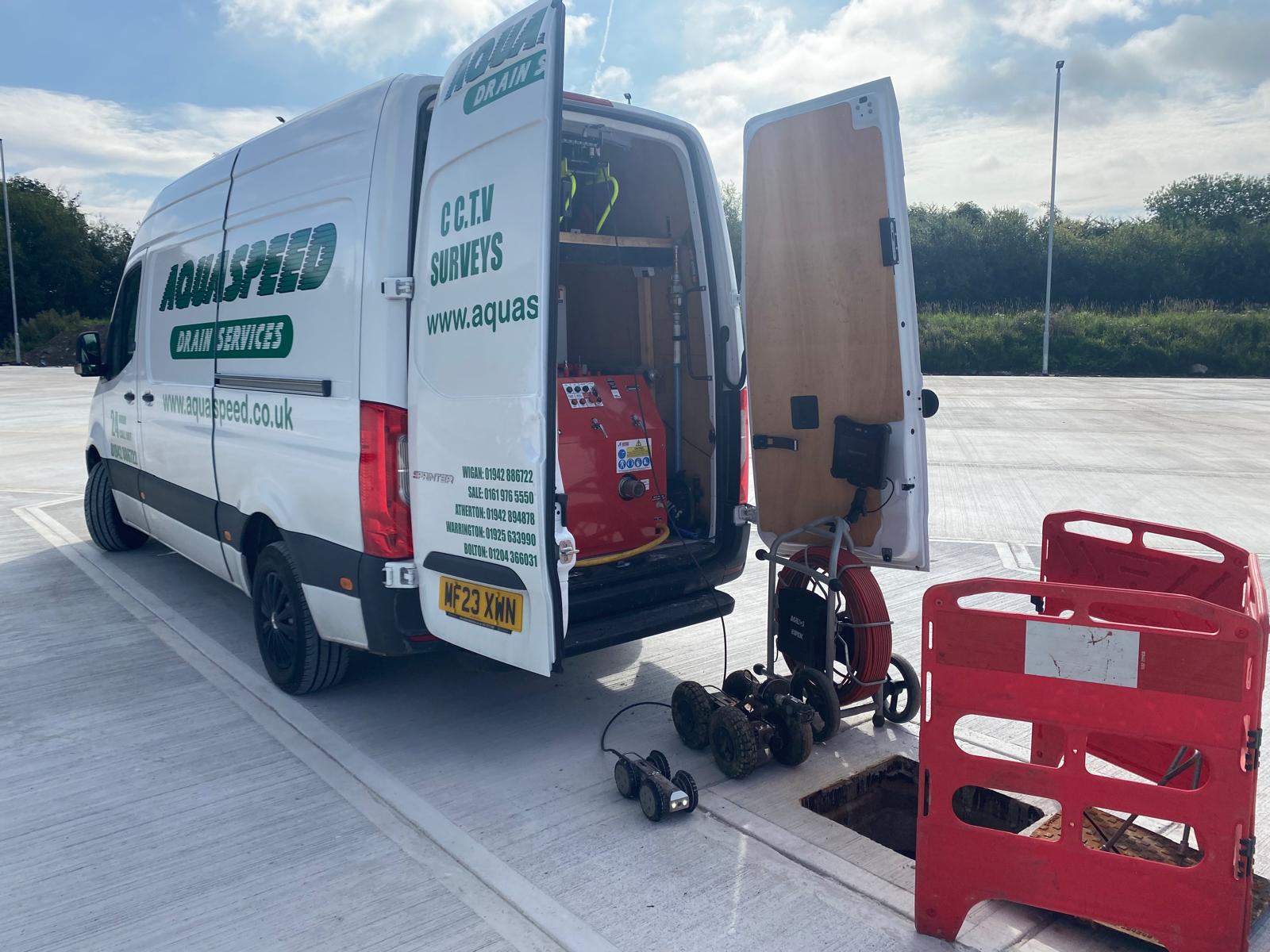
- CCTV Survey: Camera inspection identifies damage location and severity
- Cleaning: High-pressure water jetting clears debris and deposits
- Liner Preparation: Felt liner is saturated with special epoxy resin
- Installation: Liner is inserted and positioned using air pressure
- Curing: Heat or UV light hardens the resin (typically 2-4 hours)
- Finishing: Lateral connections are reopened with a robotic cutter
- Final Inspection: CCTV confirms successful installation
Benefits of Drain Relining
- No excavation: Preserves driveways, gardens, and landscaping
- Faster completion: Most jobs completed in 1-2 days vs 3-7 days for excavation
- Cost-effective: Often 30-50% cheaper than full replacement
- Less disruption: No heavy machinery, minimal noise and mess
- Long-lasting: Quality liners can last 50+ years
- Improved flow: Smooth liner surface improves drainage
- Structural strength: Adds rigidity to existing pipework
- Root prevention: Seamless liner prevents future root intrusion
Limitations of Drain Relining
- Not suitable for completely collapsed pipes
- Reduces internal pipe diameter slightly (typically 6-10mm)
- Requires good access for insertion equipment
- Not ideal for pipes with multiple sharp bends
- Some very old pipe materials may not bond well
Relining Costs
- Short run (1-3m): £800-1,500
- Medium run (4-10m): £1,500-3,000
- Long run (10-20m): £3,000-5,000
- Complex installations: £5,000-8,000+
Drain Replacement: The Traditional Approach
How Replacement Works
- Survey and planning: Locate pipes and plan excavation route
- Excavation: Dig trench to expose damaged pipework
- Pipe removal: Cut out and remove damaged sections
- New installation: Lay new pipework with correct fall
- Connection: Join to existing drainage system
- Testing: Water test to confirm watertight installation
- Backfill: Reinstate ground and surface materials
Benefits of Drain Replacement
- Complete solution: Removes all existing damage and problems
- Full diameter: No reduction in pipe size
- Layout changes: Allows for rerouting or resizing pipes
- Suitable for all damage: Works even when pipes are completely collapsed
- Material upgrade: Opportunity to use modern, longer-lasting materials
- Visual inspection: Can inspect bedding and surroundings
Limitations of Drain Replacement
- Significantly higher cost in most cases
- Major disruption to property and gardens
- Longer completion time (typically 3-7 days)
- Reinstatement costs for driveways, patios, etc.
- Planning permission may be required in some cases
- Risk of damage to other underground services
Replacement Costs
- Garden/lawn excavation (per metre): £150-300
- Driveway excavation (per metre): £300-500
- Under building (per metre): £500-1,000+
- Typical 5m garden run: £1,500-3,000
- Driveway replacement (5m): £3,000-5,000
- Reinstatement costs: Additional £500-3,000
Side-by-Side Comparison
| Factor | Drain Relining | Drain Replacement |
|---|---|---|
| Typical Cost (5m run) | £1,200-2,500 | £2,500-5,000 |
| Completion Time | 1-2 days | 3-7 days |
| Excavation Required | No | Yes |
| Garden/Driveway Damage | None | Significant |
| Lifespan | 50+ years | 50-100 years |
| Suitable for Collapse | No | Yes |
| Diameter Reduction | Minor (6-10mm) | None |
When to Choose Relining
Drain relining is typically the best choice when:
- Pipes have cracks, fractures, or joint displacement
- Root intrusion has damaged but not collapsed pipes
- Pipes run under driveways, patios, or buildings
- You want to minimize disruption and cost
- Pipe structure is still intact (not collapsed)
- Quick repair is needed
- Garden or landscaping preservation is important
When to Choose Replacement
Drain replacement is necessary when:
- Pipes have completely collapsed
- Severe bellies or dips in the pipe cannot be lined
- Pipes are made of materials unsuitable for lining (some old clay)
- You want to change pipe layout or increase capacity
- Multiple issues make the existing pipe unrepairable
- Building regulations require full replacement
- Pipes are too small for relining equipment
The Importance of Professional Survey
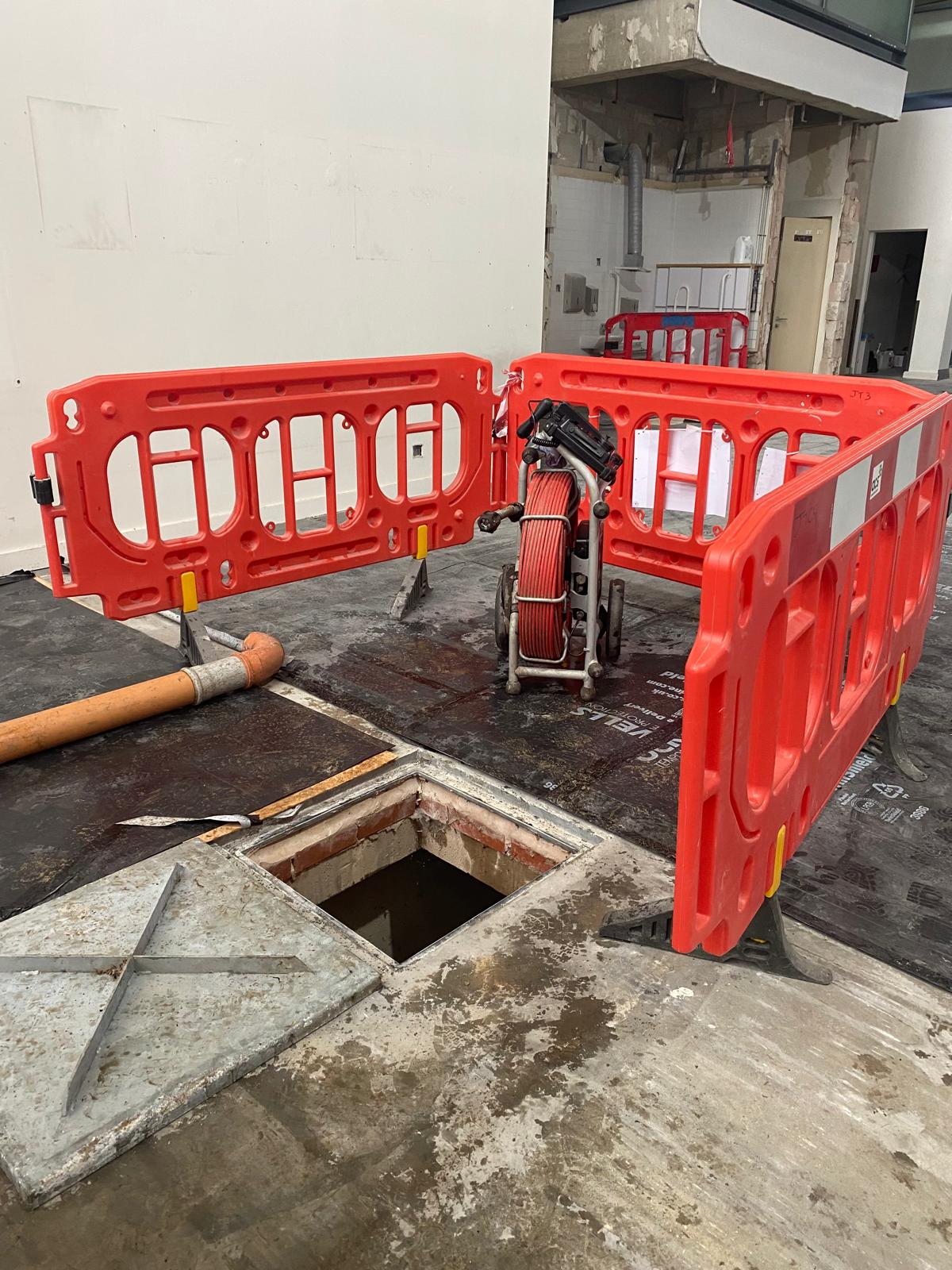
Before deciding between relining and replacement, a professional CCTV drain survey is essential. This will reveal:
- Exact location and extent of damage
- Pipe material, diameter, and condition
- Whether structural issues can be relined
- Root intrusion severity
- Access points for repair work
- Any secondary issues that need addressing
A thorough survey costs £150-250 but prevents costly mistakes and ensures you choose the right repair method.
Hybrid Approach: When Both Methods Are Needed
Sometimes the best solution combines both methods:
- Replace a short collapsed section, then reline the rest
- Excavate for a new manhole, then reline from there
- Replace accessible sections, reline sections under buildings
This approach can minimize costs while ensuring complete repair.
Choosing a Contractor
When selecting a drainage contractor for relining or replacement:
- Check they hold relevant certifications and insurance
- Ask for examples of similar previous work
- Request a detailed written quote
- Ensure they offer a warranty (minimum 10 years for lining)
- Confirm they'll provide a post-work CCTV survey
- Check reviews and references
Need expert advice on relining vs replacement? Call Aquaspeed on 0800 019 0073 for a free CCTV survey and no-obligation quote. Our experienced team will recommend the most cost-effective solution for your specific situation.